
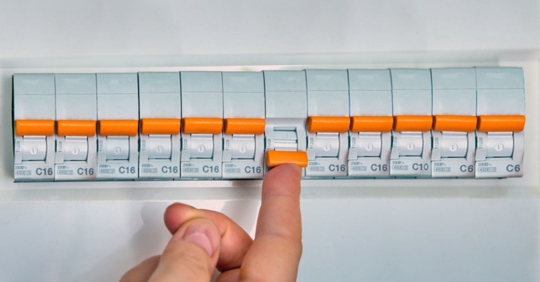
Circuit breakers are a critical component of any home or business electrical system, serving as the first line of defense against potential hazards. They work by monitoring the flow of electricity and automatically shutting off power when they detect excessive current, preventing overheating, damage, or fire. Understanding how breakers function and why they trip can help you better manage your electrical system and maintain a safe environment for your home or business.
There are several types of circuit breakers designed for specific purposes:
- Standard breakers protect circuits from overloads caused by too many devices drawing power simultaneously.
- Ground Fault Circuit Interrupter (GFCI) breakers are ideal for areas with moisture, such as bathrooms, kitchens, or laundry rooms, and prevent electric shocks.
- Arc Fault Circuit Interrupter (AFCI) breakers detect arcing in wiring, reducing the risk of electrical fires.
Familiarity with these different breaker types can guide decisions about upgrades or adjustments, helping to keep your electrical system safe and efficient.
Common Causes of Tripped Circuit Breakers
Circuit breakers trip for several reasons, often signaling that your system is under stress or needs maintenance. The most frequent causes include:
- Overloaded circuits: Plugging too many devices into a single circuit can cause a breaker to trip, especially with high-wattage appliances such as space heaters, ovens, or air conditioners.
- Short circuits: Damaged or improperly installed wiring can create unintended pathways for electricity, causing a sudden surge and tripping the breaker.
- Faulty appliances: Malfunctioning devices can draw abnormal amounts of electricity, triggering the breaker.
- Aging electrical components: Over time, breakers and wiring can wear out, making trips more common.
Addressing these issues early through careful monitoring and regular inspections can prevent small problems from turning into serious safety hazards.
Preventing Breaker Trips Through Smart Electrical Practices
Proactive management of your electrical system can dramatically reduce the risk of tripped breakers. Consider these strategies:
- Distribute high-wattage appliances across multiple circuits.
- Avoid running multiple large appliances at the same time.
- Turn off or unplug devices that aren’t in use.
- Monitor energy usage patterns to identify potential problem areas.
Regular professional inspections are also essential. A licensed electrician can identify hidden issues like worn-out breakers, loose connections, or outdated wiring. Upgrading to GFCI or AFCI breakers in key areas can further enhance safety, helping your electrical system handle modern demands without interruption.
Troubleshooting Tripped Breakers
If a breaker trips, it’s important to handle it safely and methodically:
- Locate your breaker panel and identify the tripped breaker—it will appear misaligned or partially switched off.
- Determine the cause of the trip, such as a high-wattage appliance or a short circuit.
- Reset the breaker by first switching it fully to the off position, then turning it back on.
- Monitor the circuit for irregular behavior to detect any underlying issues.
Persistent trips may indicate a more serious problem, such as faulty wiring or a defective breaker. If problems continue even after unplugging appliances, contacting a professional electrician is the safest course of action. Signs such as burning smells, melted wires, or sparks require immediate expert attention.
Enhancing Electrical Safety for Homes and Businesses
Modern technology offers additional tools to prevent breaker trips and improve electrical safety:
- Smart breakers provide energy monitoring, usage alerts, and remote control.
- Surge protectors shield sensitive electronics from voltage spikes.
- Routine inspections and maintenance ensure that all components remain in optimal condition.
Educating household members or staff about electrical safety can also make a significant difference. Teaching everyone how to recognize warning signs, avoid overloading circuits, and respond to electrical issues fosters a culture of safety. Developing a clear safety plan, including regular inspections and emergency procedures, ensures that everyone in your space is protected.
Frye Electric, Inc. Is Here If You Are Dealing with Tripped Circuit Breakers
At Frye Electric, Inc., our team of experienced electricians is ready to help you prevent tripped breakers and maintain a safe, reliable electrical system. From routine maintenance to advanced circuit solutions, we provide professional guidance tailored to your home or business. Contact us today to learn more about how we can help you achieve electrical safety and peace of mind.
Call Frye Electric, Inc. now at (317) 659-6899 or reach out online.